654 indexed papers · 430 research notes

Research archive

Reset
Figure 4 from Search for High-Ionization Nebular Emission (SHINE). I. A Systematically Selected [Ne V] Sample at z > 3 with JWST/NIRSpec PRISM

2026-09-24 · 2609.27130v1 · Research note

Search for High-Ionization Nebular Emission (SHINE). I. A Systematically Selected [Ne V] Sample at z > 3 with JWST/NIRSpec PRISM

Shobita Satyapal, Sara Doan, Daniel Schaerer, et al.

SHINE identifies 25 luminous [Ne V] emitters at z=3.06–9.44 from >9,000 JWST/NIRSpec PRISM galaxies. Their hard-ionization lines favor accretion, but heterogeneous selection and incomplete diagnostic overlap preclude an intrinsic AGN-incidence measurement.
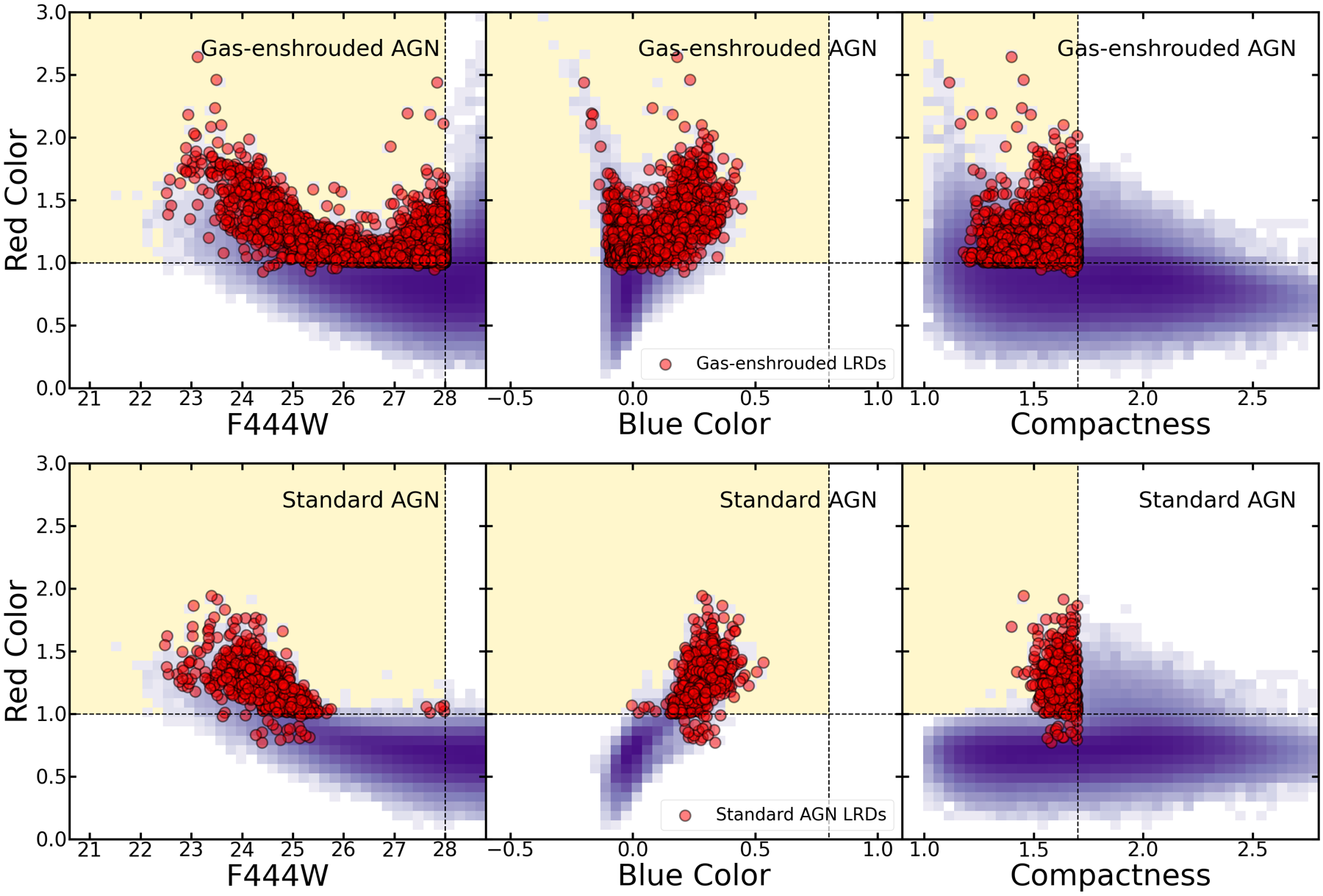
Figure 3 from The lifetimes and properties of Little Red Dots in the AMBRA simulation

2026-09-24 · 2609.26999v1 · Research note

The lifetimes and properties of Little Red Dots in the AMBRA simulation

Patrick LaChance, Yihao Zhou, Aklant Kumar Bhowmick, et al.

Mock JWST selection in AMBRA suggests LRDs are transient appearances of existing black hole–galaxy systems: dim sources require a gas-enshrouded AGN model, while massive compact hosts yield longer-lived phases. Redshift counts remain model-sensitive.

2026-09-24 · 2609.26931v1 · Research note

Radio Quasars in the Cosmic Dawn: A Spectroscopic Sample from the DESI Survey

Anniek J. Gloudemans, Jinyi Yang, David M. Alexander, et al.

DESI spectroscopy plus 144-MHz LOFAR imaging identifies 83 radio-detected quasars at 4.7<z<6.7, including 26 radio-loud objects. Their UV spectra are broadly similar to non-detections; tentative weak-line excesses and BAL trends remain statistically inconclusive.

2026-09-23 · 2609.26553v1 · Research note

Constraining Inflation with Little Red Dots

Dionysios Karagiannis, P. Daniel Meerburg

A 14,000-deg² spectroscopic LRD survey at 4<z<9 is forecast to constrain local, equilateral, and orthogonal primordial non-Gaussianity at σ(fNL)=0.32, 32, and 10, respectively, if modeled clustering, abundance, and covariance assumptions hold.

Figure 4 from EPOCHS-DR2 I: Expanded data release and properties of $6.5<z<16.5$ photometrically selected galaxies across NIRCam deep fields covering $\sim700\,\rm arcmin^2$ with the galfind software

2026-09-22 · 2609.24987v1 · Research note

EPOCHS-DR2 I: Expanded data release and properties of $6.5<z<16.5$ photometrically selected galaxies across NIRCam deep fields covering $\sim700\,\rm arcmin^2$ with the galfind software

Duncan Austin, Christopher J. Conselice, Thomas Harvey, et al.

EPOCHS-DR2 releases a large JWST/NIRCam photometric census at 6.5<zphot<16.5, validated against NIRSpec but explicitly incomplete under its conservative selection. It identifies a small V-shaped-SED LRD subset and high-redshift candidates whose nature requires spectroscopy.

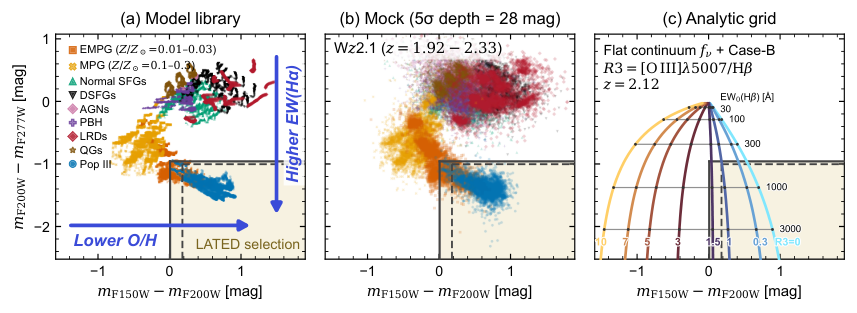
Figure 5 from LATED: Ly$α$-anchored photometric selection of candidate metal-free and extremely metal-poor star formation from the end of reionisation to cosmic noon

2026-09-22 · 2609.24588v1 · Research note

LATED: Ly$α$-anchored photometric selection of candidate metal-free and extremely metal-poor star formation from the end of reionisation to cosmic noon

Mingyu Li, Zheng Cai, Roberto Maiolino, et al.

LATED uses Lyα-selected sources and three-band Hα/[O III]+Hβ/continuum colours to prioritize extremely metal-poor or Pop III-like candidates at z=1.92–6.60. Tests recover AMORE6 and identify three Abell 2744 candidates, but photometry cannot prove metal-free stars.

2026-09-22 · 2609.22623v1 · Research note

Balmer Absorption Series and Broad Metal Lines in Two Luminous Little Red Dots

Bingjie Wang, Jenny E. Greene, Hanpu Liu, et al.

Deep JWST/NIRSpec spectra of two luminous LRDs resolve Hα–Hδ absorption near systemic velocity, with higher-order troughs redder and unexpectedly persistent. Broad metal lines and diagnostic ratios favor dense gas, while a stratified failed wind remains an interpretation rather than a detection.

Figure 9 from Inflated Supermassive Stars as Little Red Dots and Progenitors of Supermassive Black Holes

2026-09-22 · 2609.22507v1 · Research note

Inflated Supermassive Stars as Little Red Dots and Progenitors of Supermassive Black Holes

Wenbin Lu

One-dimensional equilibrium models suggest that metal-enriched, hydrogen-burning supermassive stars can attain LRD-like cool photospheres through Fe-opacity-driven envelope inflation, while general-relativistic collapse could leave massive black-hole remnants. The proposed interpretation remains sensitive to atmospheric physics and formation assumptions.

2026-09-22 · 2609.22428v1 · Research note

Star Formation and Nebular Attenuation from Pa$α$, Br$α$, and Br$β$ in Massive Dust-obscured Galaxies at Cosmic Noon using JWST

Virginia Vanicek, Jed McKinney, Alexandra Pope, et al.

JWST MIRI/Spitzer hydrogen-line measurements in 27 dusty z~1–2 infrared galaxies yield directly inferred nebular attenuation declining from ~3 mag near 2 μm to ~1 mag near 4 μm, yet IR-based SFRs remain ~2.5 times higher.

2026-09-21 · 2609.21337v1 · Research note

A large overdensity of LRD-like galaxies discovered by JWST in the SPT2349-56 protocluster at z=4.30

Scott C. Chapman, Kedar A. Phadke, Nikolaus Sulzenauer, et al.

JWST identifies 11 ultra-red, mostly resolved galaxies in the z=4.3 SPT2349-56 core. Their extreme concentration and ALMA-constrained low star formation suggest a likely protocluster population transitioning beyond the dusty-starburst phase, pending spectroscopy.

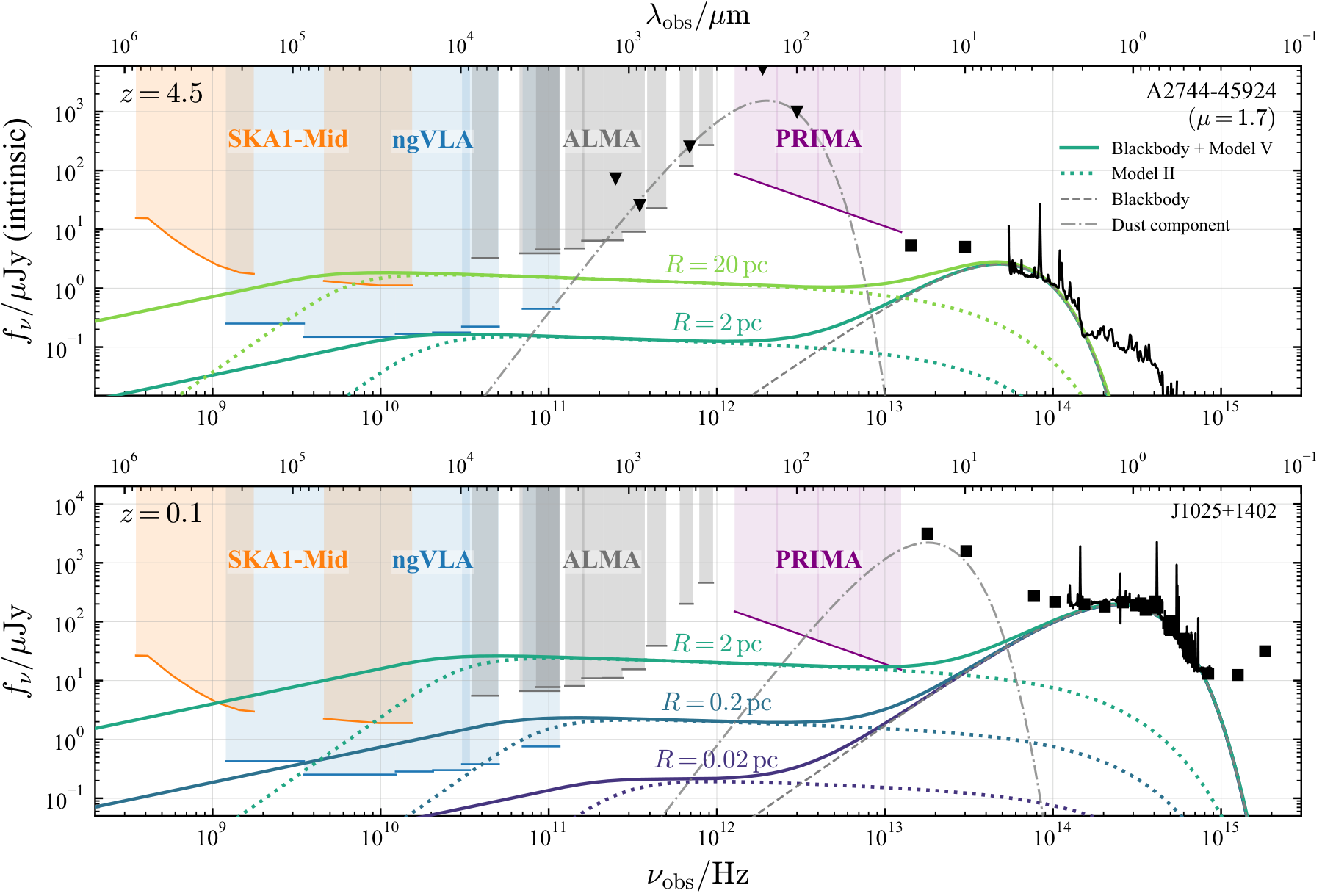
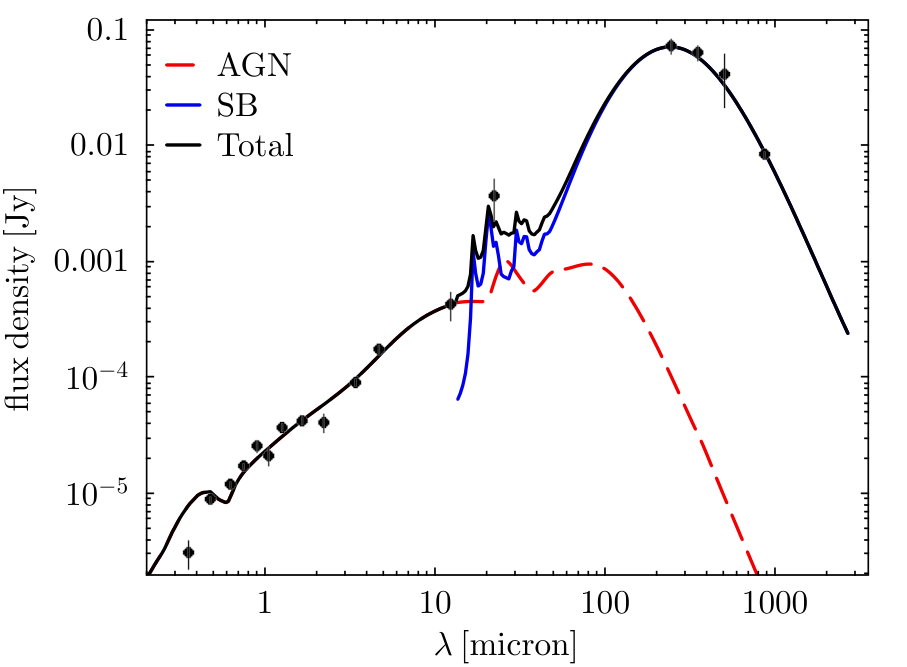
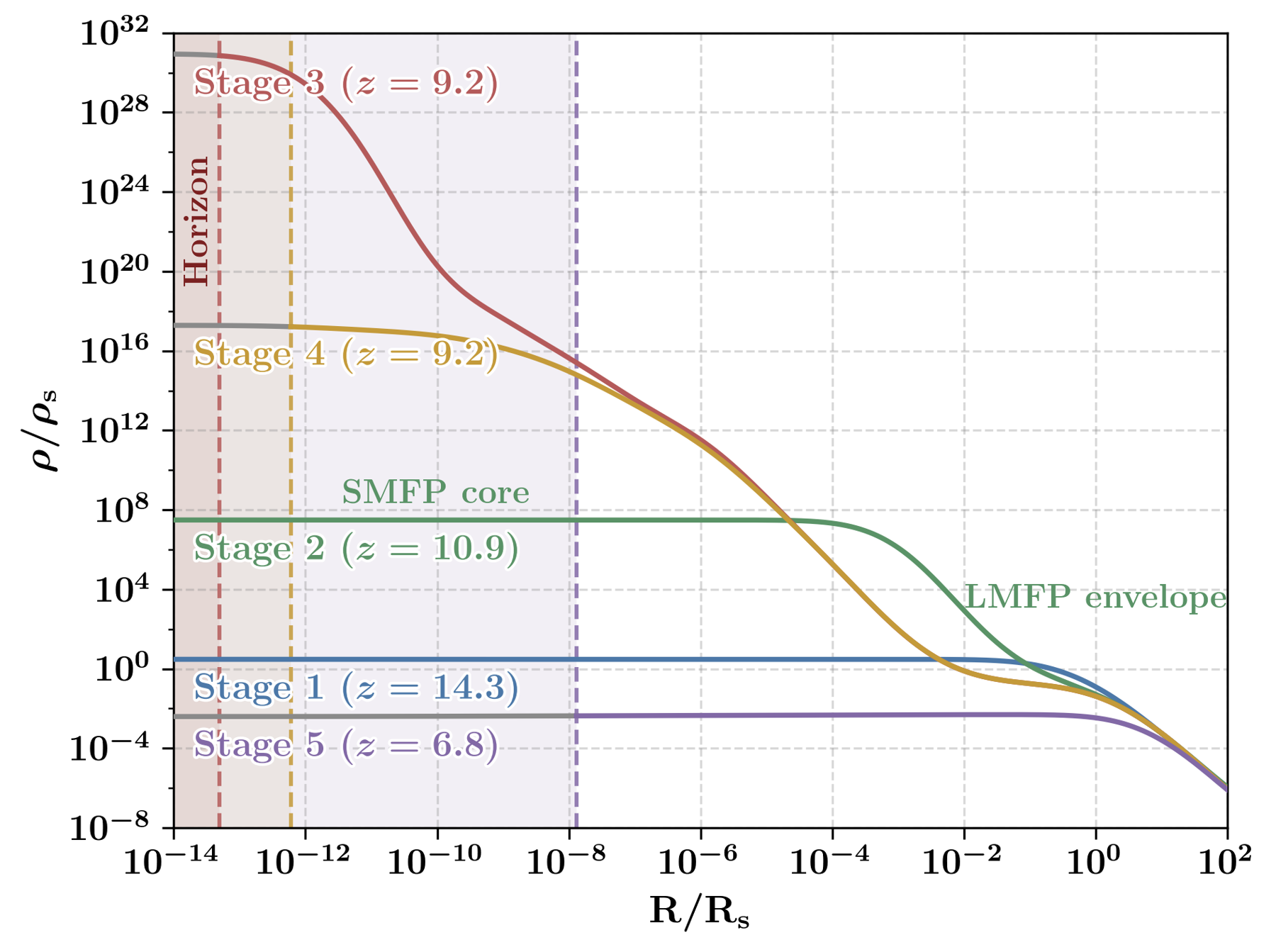
Figure 2 from Little Red Dots as a Transient Phase of Self-Interacting Dark Matter Assisted Black Hole Growth

2026-09-18 · 2609.20021v1 · Research note

Little Red Dots as a Transient Phase of Self-Interacting Dark Matter Assisted Black Hole Growth

Yu Rong, Shuang-Nan Zhang, Jian-Min Wang, et al.

This theory paper proposes that gas inflow compresses self-interacting dark matter (SIDM) around a pre-existing black hole while an optically thick nuclear disk obscures and reprocesses its emission. It reproduces two representative LRD continua, but does not establish SIDM observationally.

2026-09-18 · 2609.19459v1 · Research note

Extreme Enrichment at Cosmic Dawn: Three FeII-Strong Quasars at z > 6 from the JWST Aether survey

Anniek J. Gloudemans, Emanuele Paolo Farina, Roberto Decarli, et al.

JWST/NIRSpec IFU spectra identify three z>6 quasars with extreme optical Fe II relative to Hβ, supporting rapid early enrichment while leaving accretion rates and nearby line-emitting structures materially uncertain.

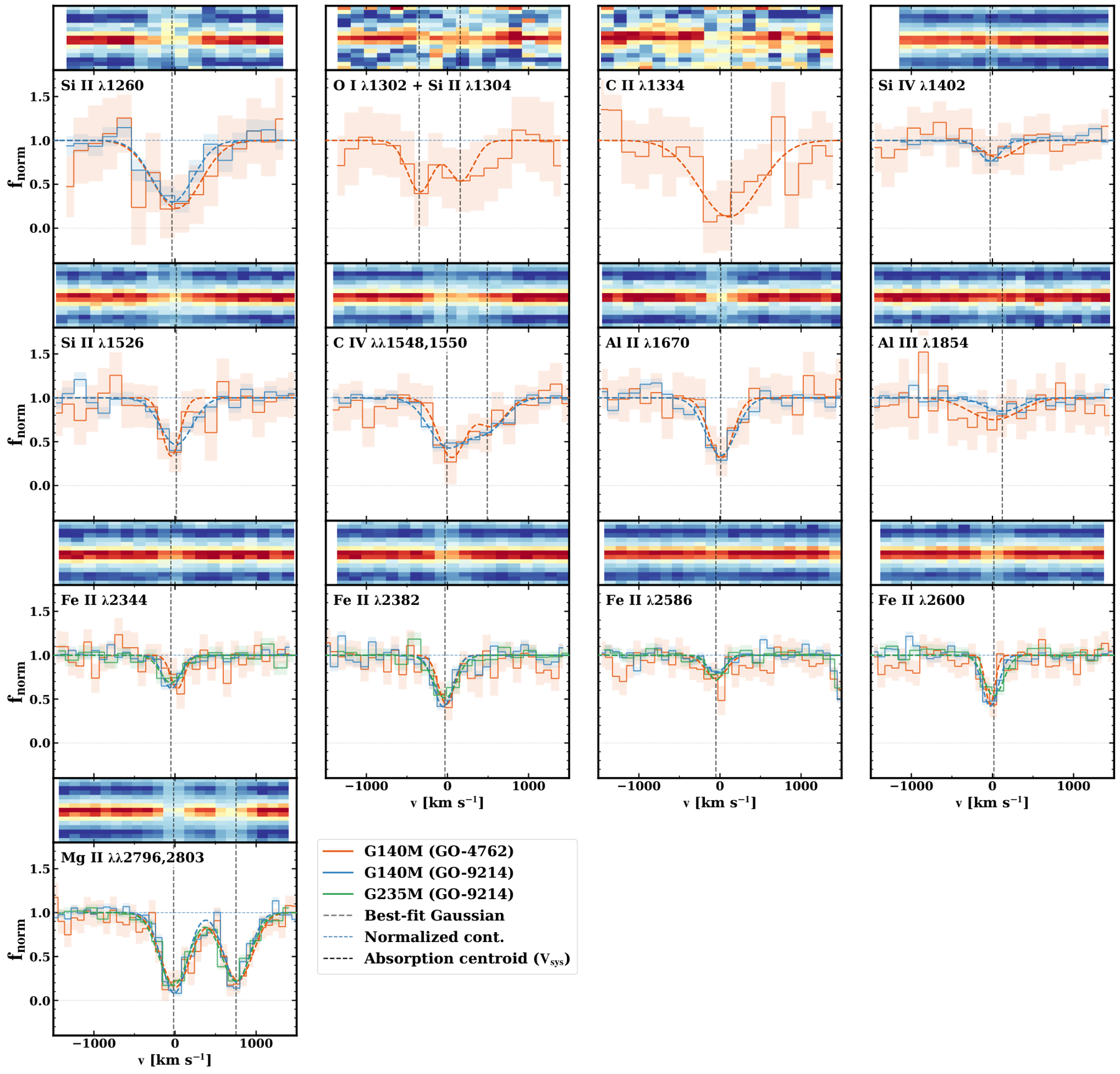
Figure 2 from A dense, metal-rich absorber driven by a heavily dust-obscured galaxy: The direct evidence of CGM enrichment at $z\sim7$

2026-09-17 · 2609.17680v1 · Research note

A dense, metal-rich absorber driven by a heavily dust-obscured galaxy: The direct evidence of CGM enrichment at $z\sim7$

Qinyue Fei, Seiji Fujimoto, Gabriel Brammer, et al.

A single z=7.03 galaxy–absorber pair links a dusty, intensely star-forming galaxy to unusually strong multiphase metal absorption at 16 kpc. Blueshifted gas is consistent with an outflow, while abundance evidence for Population III enrichment remains suggestive rather than decisive.

Figure 1 from An ALMA Band 7 survey of SDSS/Herschel quasars in Stripe 82: II. The nature of FIR-bright quasars

2026-09-16 · 2609.16951v1 · Research note

An ALMA Band 7 survey of SDSS/Herschel quasars in Stripe 82: II. The nature of FIR-bright quasars

Evanthia Hatziminaoglou, Hugo Messias, Duncan Farrah, et al.

For 142 optically unobscured, FIR-bright Stripe 82 quasars at z=1–4, ALMA deblending lowers inferred host SFRs yet leaves extreme starbursts. The authors find weak instantaneous starburst–accretion coupling and UV-line differences consistent with a transitional interpretation.

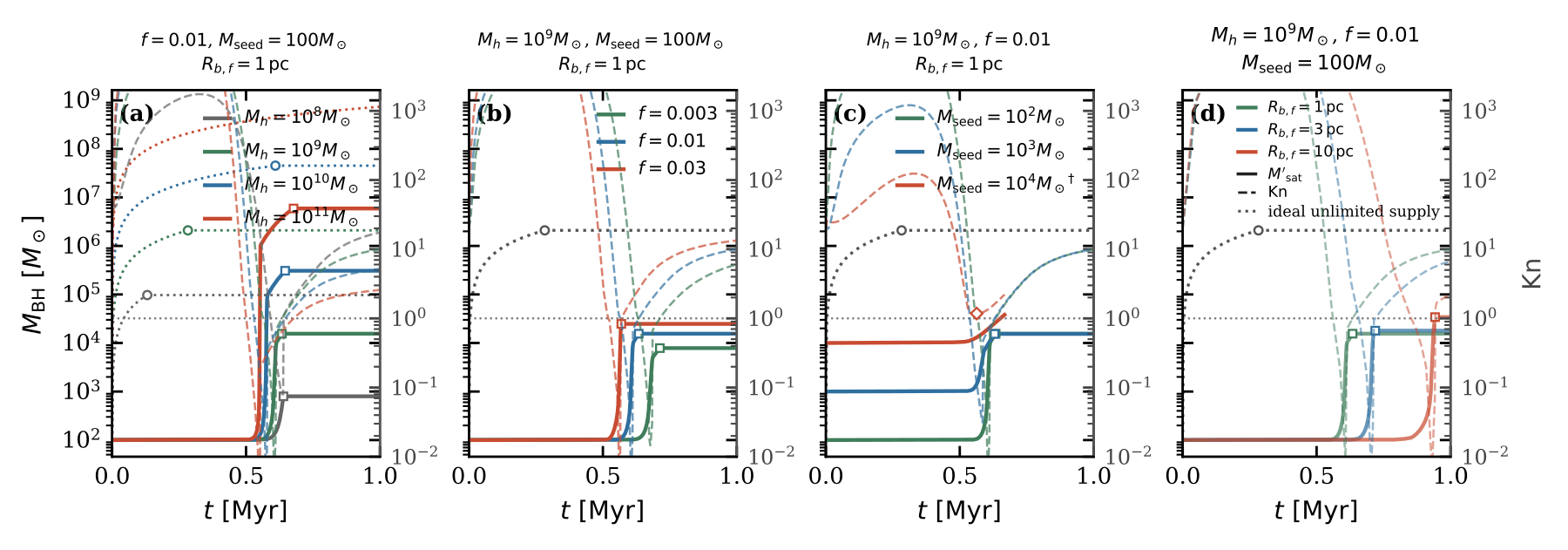
Figure 2 from A Dark-matter Origin of Little Red Dots: Early Seeding and Super-Bondi Accretion

2026-09-16 · 2609.16122v1 · Research note

A Dark-matter Origin of Little Red Dots: Early Seeding and Super-Bondi Accretion

Hua-Peng Gu, Fangzhou Jiang, Xian Chen, et al.

Using relativistic SIDM-halo evolution, the authors argue that pre-reionization, concentrated halos can make stellar-mass seeds and grow them through dark-matter inflow to LRD-like SMBHs by z≈6; late-time fluid-model breakdown makes final masses upper limits.

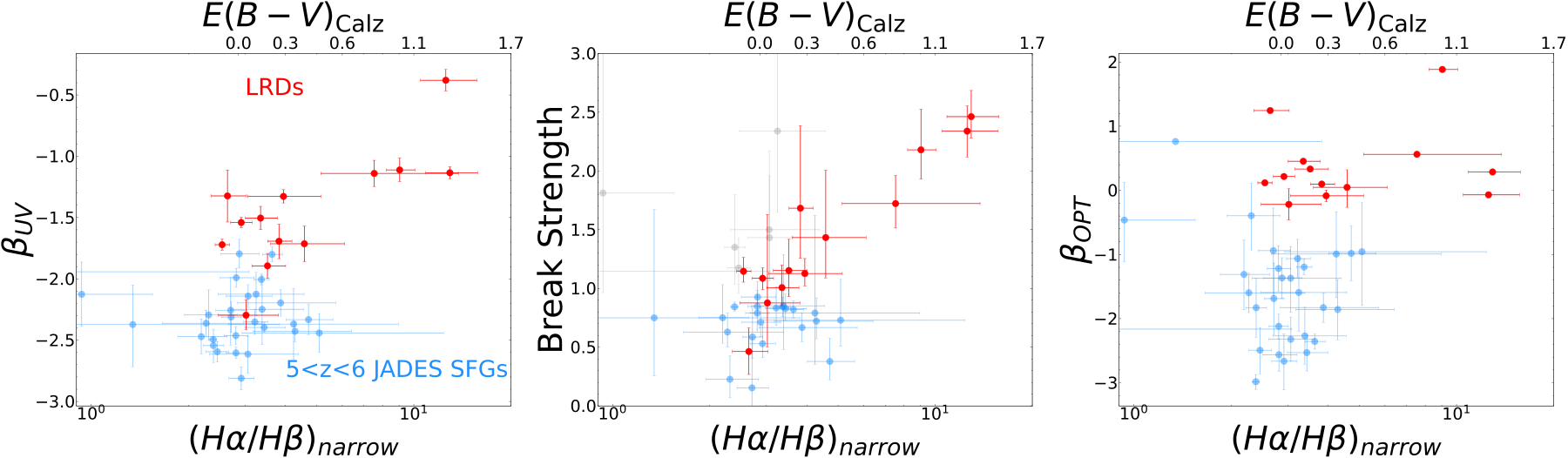
Figure 3 from Host Galaxy UV Emission and Dust Reddening in Little Red Dots

2026-09-15 · 2609.13444v1 · Research note

Host Galaxy UV Emission and Dust Reddening in Little Red Dots

Emmanuel Durodola, Ryan C. Hickox, Jonathan Cohn, et al.

Medium-resolution JWST spectra of 13 LRDs link narrow-line Balmer decrements to UV slope and Balmer-break strength, which the authors interpret as host-scale dust reddening of predominantly stellar UV emission; extreme-break, flat-UV LRDs form a distinct subgroup.

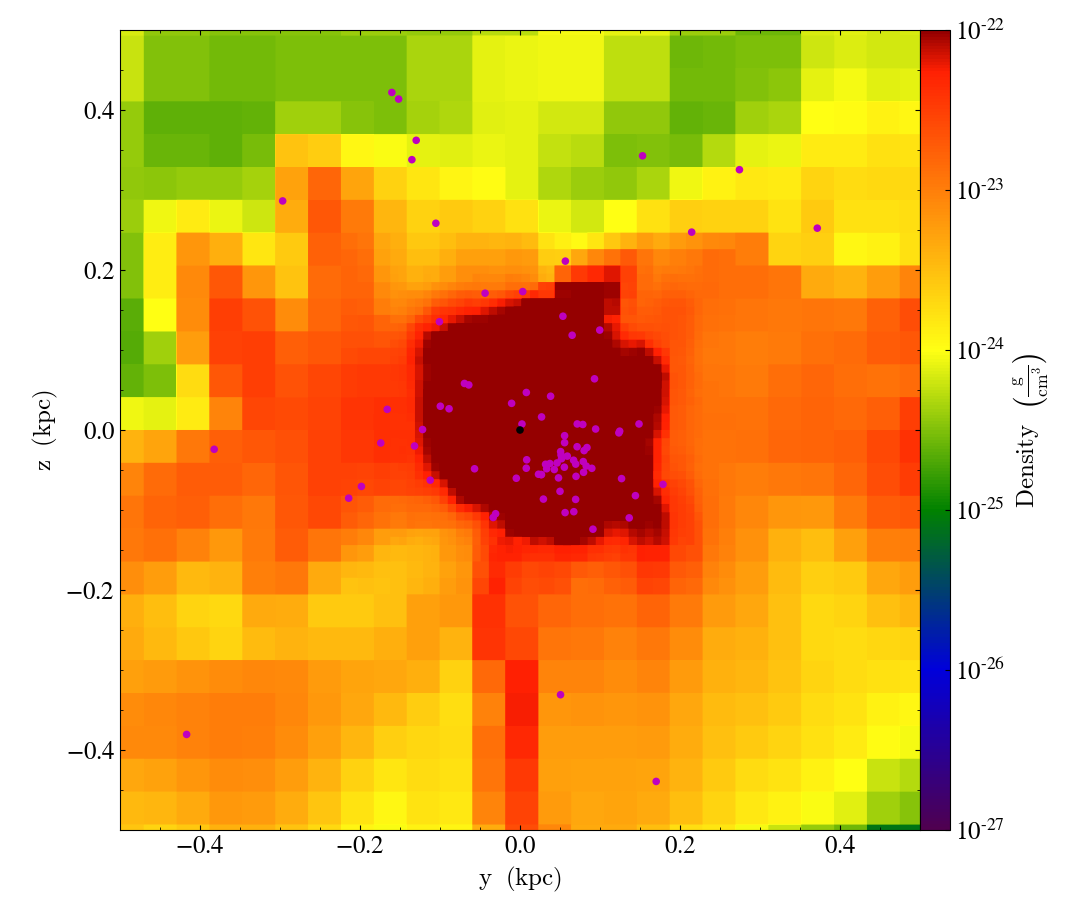
Figure 2 from Little Red Dots are Direct-Collapse Black Hole-Forming Galaxies

2026-09-14 · 2609.12049v1 · Research note

Little Red Dots are Direct-Collapse Black Hole-Forming Galaxies

Daniel J. Whalen, Muhammad A. Latif, Konstantinos Topalakis, et al.

Two-stage simulations and radiative-transfer spectral modeling suggest that LRDs could be direct-collapse black-hole hosts whose dense disks trap X-rays and generate Balmer absorption; fits spanning z=3.55–9.29 make this physically plausible, but not uniquely established.

Figure 3 from Learning JWST. I. A Foundation Model for New Population Discoveries and Morphology-Aware Photometric Redshift Measurements in the JADES Survey

2026-09-11 · 2609.11879v1 · Research note

Learning JWST. I. A Foundation Model for New Population Discoveries and Morphology-Aware Photometric Redshift Measurements in the JADES Survey

Jiani Ding, Minghao Yue, Yongda Zhu, et al.

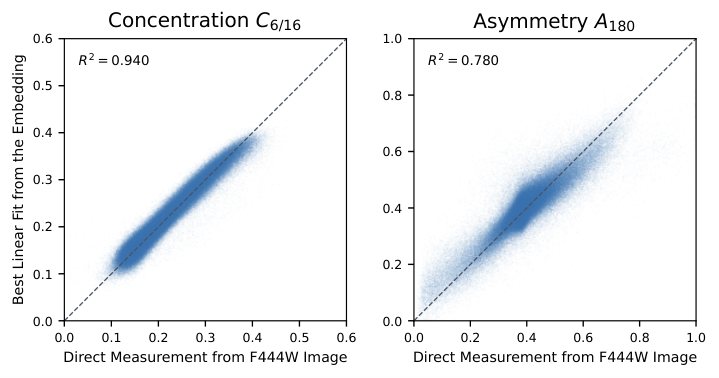
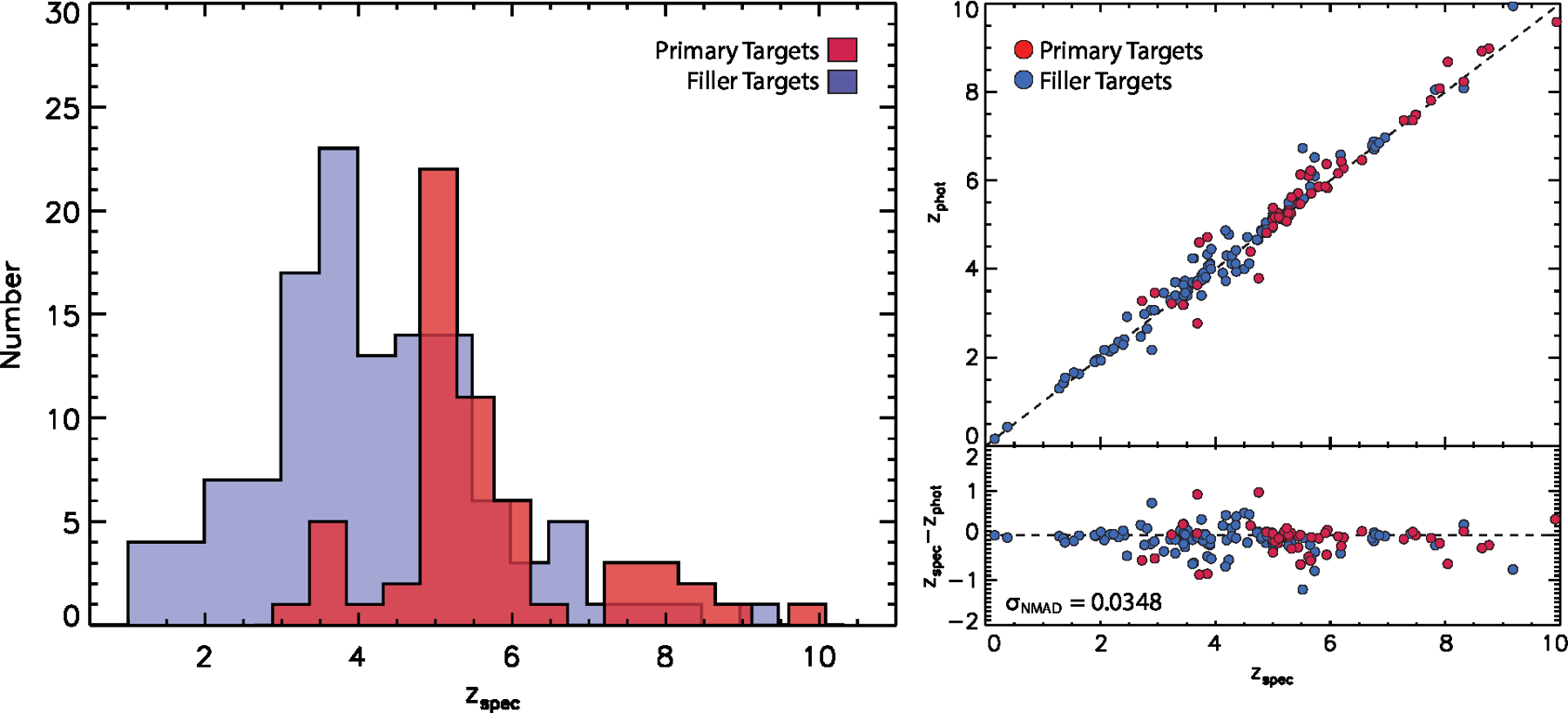
A self-supervised multimodal JADES model organizes high-redshift galaxies and Little Red Dots into embedding-space populations, retrieves LRD candidates from 19 broad-line seeds, and improves a controlled three-band photometric-redshift benchmark over template fitting.

Figure 1 from Nitrogen-Loud Quasars from the Dark Energy Spectroscopic Instrument. I. Sample Selection and Basic Properties

2026-09-11 · 2609.11104v1 · Research note

Nitrogen-Loud Quasars from the Dark Energy Spectroscopic Instrument. I. Sample Selection and Basic Properties

Shuo Zhai, Wei-Jian Guo, Yong-Jie Chen, et al.

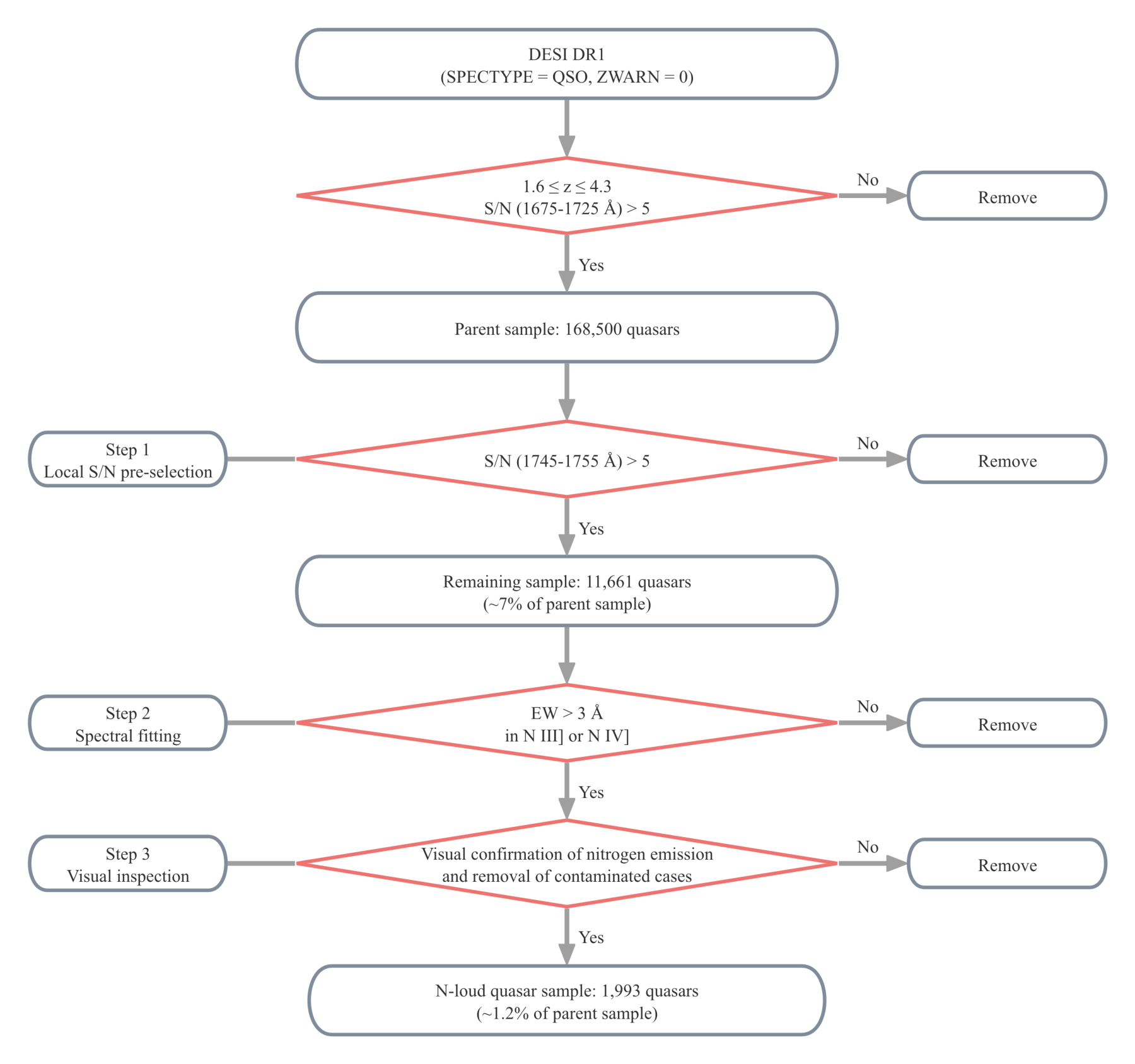
DESI DR1 yields 1,993 nitrogen-loud quasars at 1.6<z<4.3 (1.2% of the parent sample). Matched-control comparisons associate nitrogen-loud spectra with narrower broad lines, lower virial masses, and higher inferred Eddington ratios.

2026-09-11 · 2609.11094v1 · Research note

SPURS: An Ultra-deep View Inside the Compact, Nitrogen-Enriched Nuclei of Little Red Dots

Mengtao Tang, Daniel P. Stark, Charlotte A. Mason, et al.

Ultra-deep JWST/SPURS rest-UV spectra of four UV-bright Little Red Dots find dense, nitrogen-enhanced, neutral-gas-embedded nuclei and diverse broad-line/wind signatures. The authors infer compact nuclear activity, while stellar and AGN contributions remain degenerate.

2026-09-11 · 2609.10803v1 · Research note

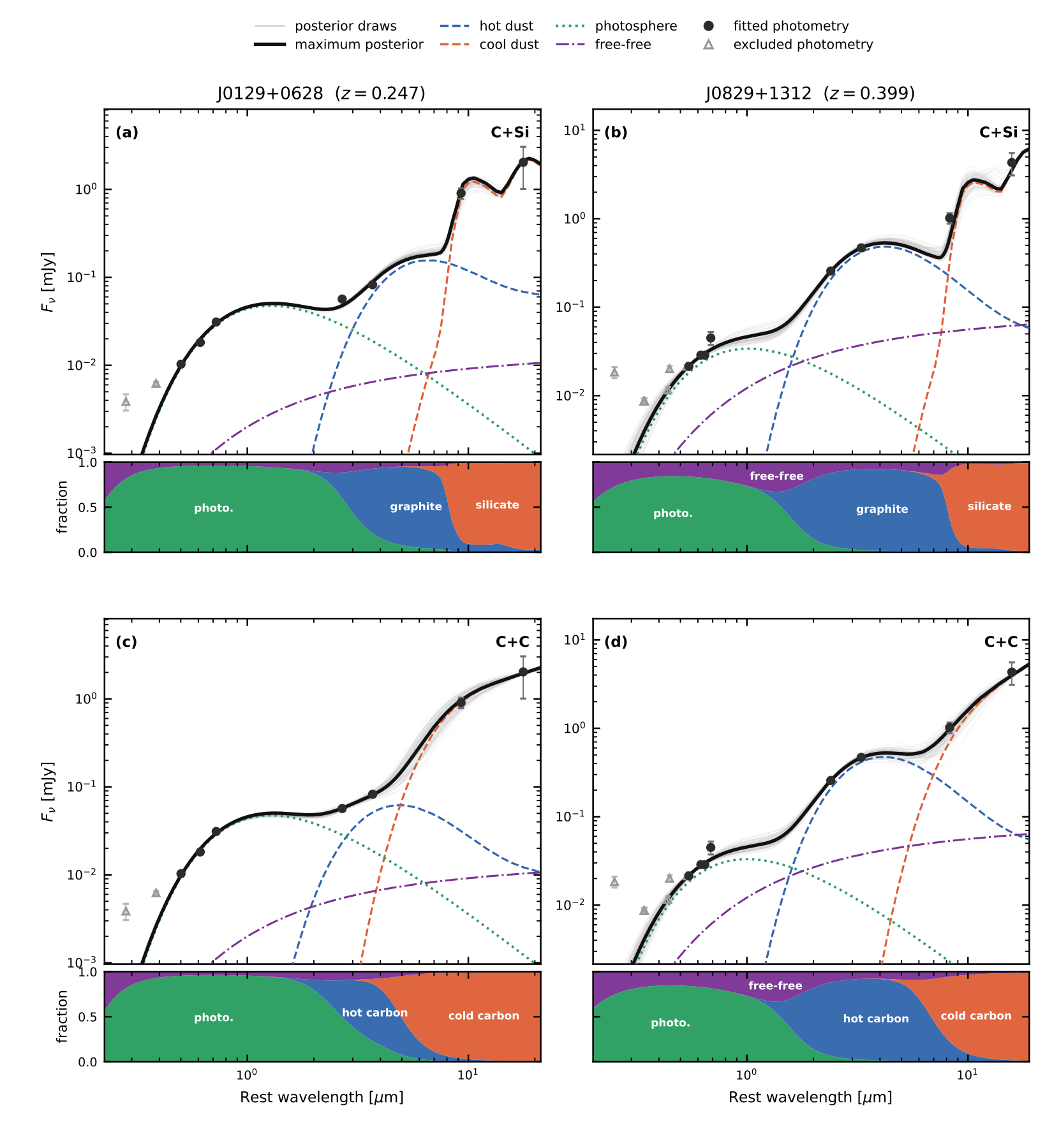
The THRILS Factor: Investigating the properties of Little Red Dots (LRDs) at 3<z<6 with JWST/NIRSpec

Ananya Ganapathy, Rebecca L. Larson, Erini Lambrides, et al.

Deep JWST/NIRSpec spectra of nine z=3–6 LRDs favor electron-scattering-like broad-line profiles in five cases, implying substantial ionized columns but ∼50% covering fractions; this challenges unity-covering cocoon models while supporting an AGN-related origin.

Figure 4 from Extending the Little Red Dot population at intermediate redshift with VIPERS

2026-09-10 · 2609.10319v1 · Research note

Extending the Little Red Dot population at intermediate redshift with VIPERS

Krzysztof Lisiecki, Krzysztof Hryniewicz, Francesco Pistis, et al.

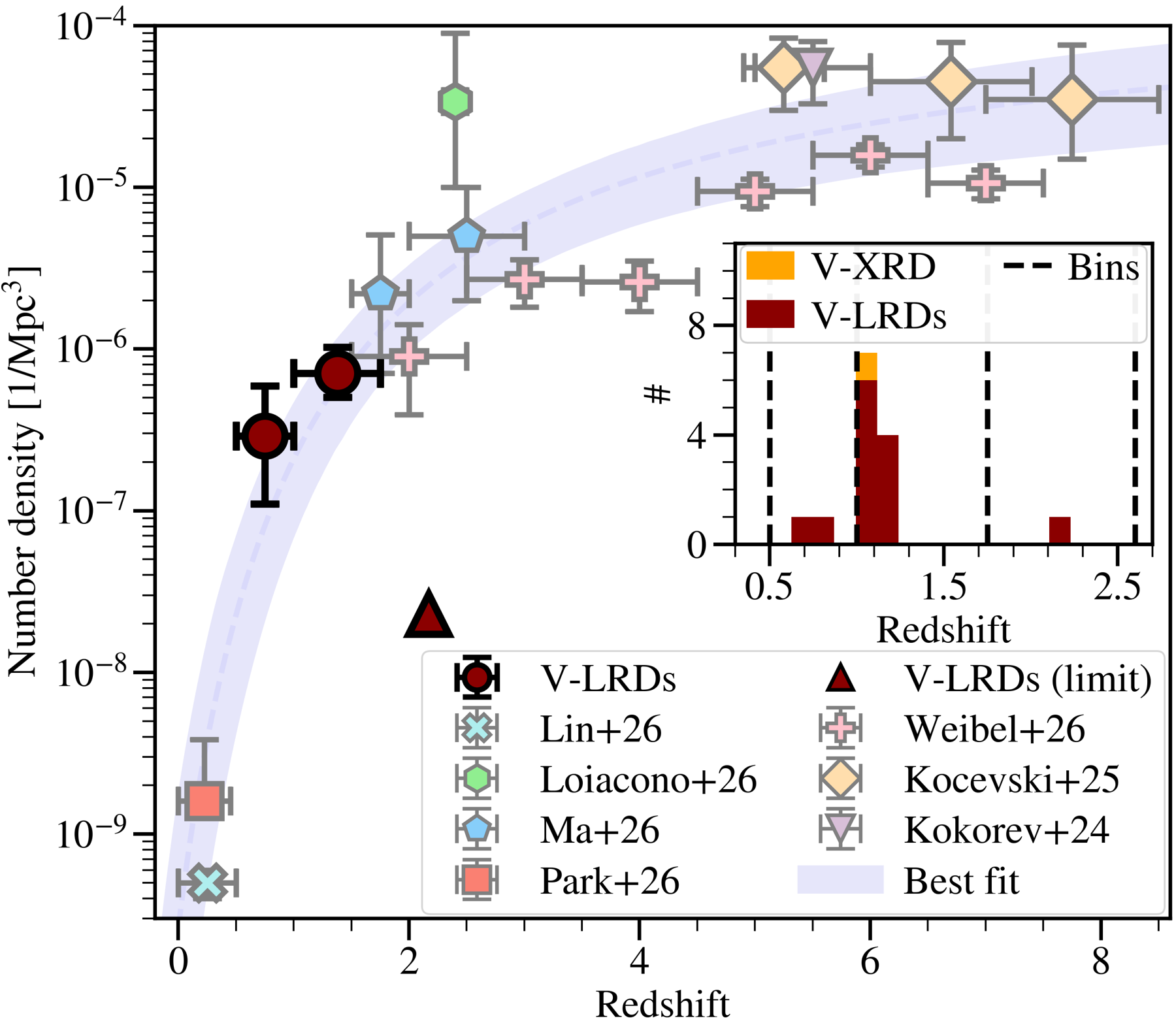
VIPERS yields 14 compact, LRD-like sources at 0.5<z<1.75 selected through V-shaped photometric slopes and broad lines. Their inferred abundance declines sharply below z~1, while one unresolved X-ray source is consistent with a low-inclination, radiatively efficient disk.

Figure 2 from Overmassive No More: The Case for Little Red Dots Hosting Black Hole Seeds as Massive as Single Supermassive Stars

2026-09-10 · 2609.09274v1 · Research note

Overmassive No More: The Case for Little Red Dots Hosting Black Hole Seeds as Massive as Single Supermassive Stars

Wendy Q. Sun, Rohan P. Naidu, Hanpu Liu, et al.

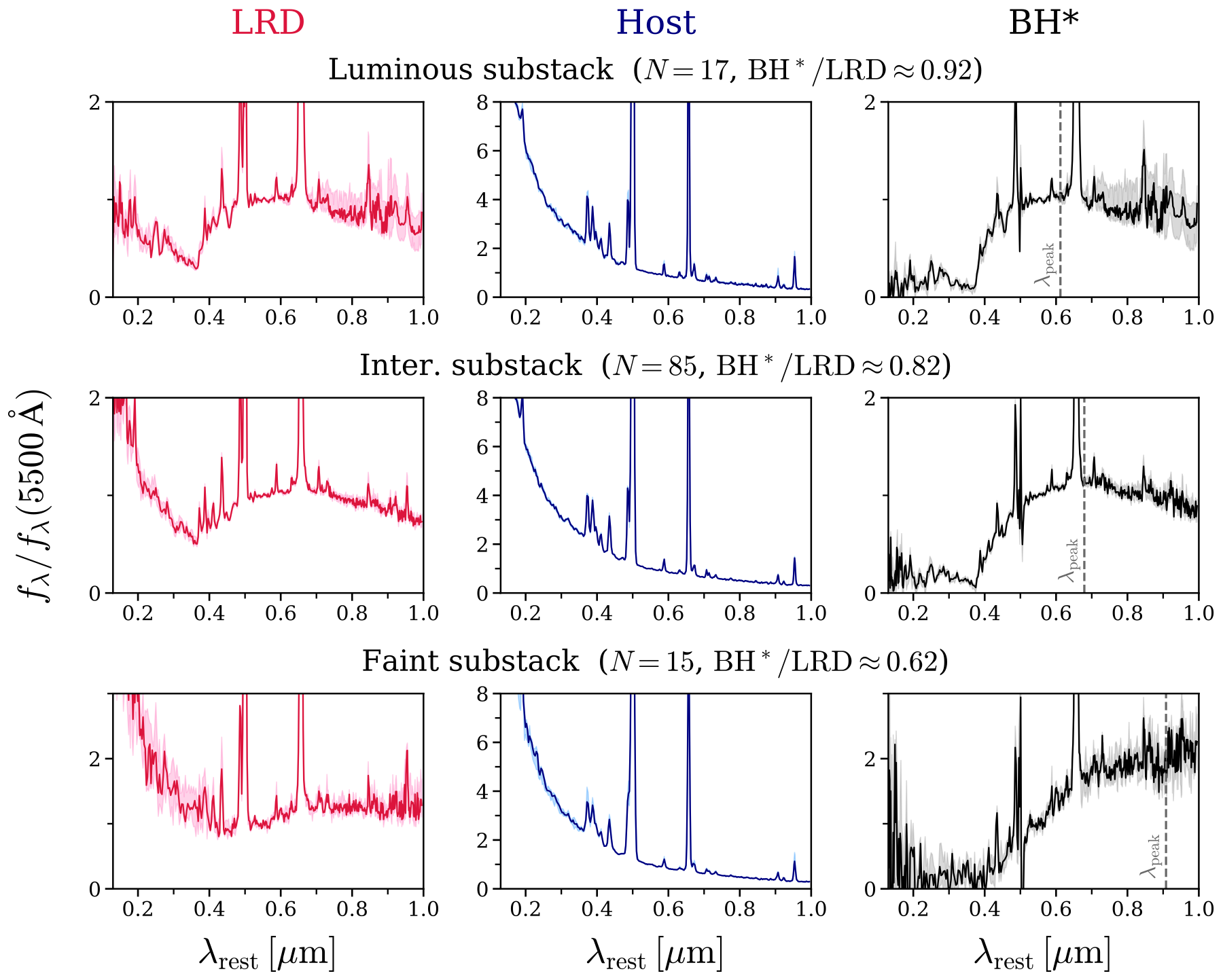
Using stacked, host-subtracted spectra of 117 little red dots, the authors infer cool, luminous pseudo-photospheres and non-virial central-engine masses of about 10^4–10^5 solar masses. They argue this removes the apparent overmassiveness and permits, but does not establish, a supermassive-star seed origin.

2026-09-10 · 2609.09271v1 · Research note

The Ashes of Supermassive Stars: Globular Cluster-like Aluminum Enhancement in Little Red Dots

V. Kokorev, J. Chisholm, R. P. Naidu, et al.

Deep JWST spectroscopy of four z~7 LRDs finds Al-rich, Mg-poor, ~1% solar gas. The authors interpret its globular-cluster-like abundance pattern as hot hydrogen burning by ≥10^4-solar-mass supermassive stars, while saturation and small-sample uncertainties remain.

Figure 3 from SHELLQs. Black Hole Mass and Eddington Ratio Distributions of Intermediate-Luminosity Quasars at 6<z<7

2026-09-10 · 2609.09266v1 · Research note

SHELLQs. Black Hole Mass and Eddington Ratio Distributions of Intermediate-Luminosity Quasars at 6<z<7

Masafusa Onoue, John D. Silverman, Yoshiki Matsuoka, et al.

Near-IR spectroscopy of intermediate-luminosity SHELLQs quasars finds lower median virial black-hole masses and higher Eddington ratios than luminosity-matched z≈1.3 quasars, with 11–22% inferred near/super-Eddington depending on the single-epoch mass calibration.

2026-09-10 · 2609.09265v1 · Research note

A Spectral Framework for Testing the Quasi-Star Hypothesis in Little Red Dots I: Weighing LRDs by Their Super-Eddington Luminosity Ratios---No Signs of Overmassive Black Holes

Olivia Curtis, Nikko J. Cleri, Jakob M. Helton, et al.

Photospheric fits to 4 absorption-feature LRDs and 82 archival objects yield predominantly super-Eddington ratios. Coupled quasi-star envelope models place black-hole mass caps below local BH–host expectations, but the inference remains model- and host-prior-dependent.

Figure 1 from Small-Scale Clustering of Primordial Black Holes: The Little Red Dot Mass Function and the High-Redshift Galaxy Tension

2026-09-09 · 2609.09078v1 · Research note

Small-Scale Clustering of Primordial Black Holes: The Little Red Dot Mass Function and the High-Redshift Galaxy Tension

Borui Zhang, Wei-Xiang Feng, Haipeng An

This analytic PBH-cluster framework claims that runaway mergers can reproduce the LRD SMBH mass function with a 1–10% accretion duty cycle while linking overmassive, compact hosts to seed-driven halo evolution; key gas dynamics remain unmodeled.

2026-09-09 · 2609.08145v1 · Research note

The Roman eXtreme Deep Field (RXDF)

Haojing Yan, Anton M. Koekemoer, Yue Shen, et al.

RXDF is an approved Roman seven-band, multi-epoch imaging program designed to combine AB≈30 depth with a 678.75 arcmin² full-depth footprint. For LRD science it is prospective: it extends the luminosity–redshift discovery space, but supplies neither an LRD selection nor predicted counts.

2026-09-09 · 2609.07825v1 · Research note

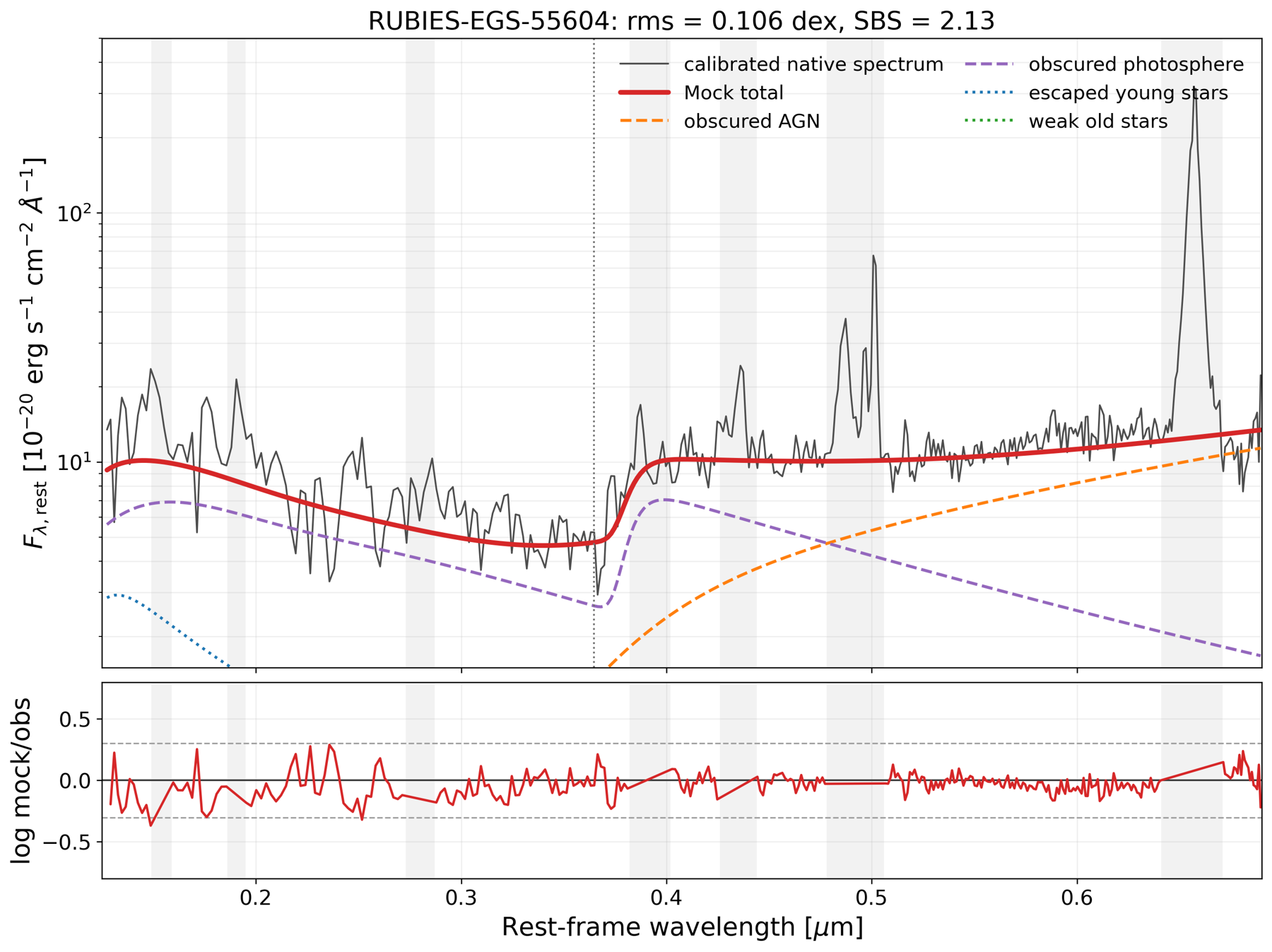
A Dusty Quenching-candidate AGN host at z=5.7: massive quiescent galaxies may quench already during the dust-obscured phase

Francesco D'Eugenio, Matilde Brazzini, Roberto Maiolino, et al.

RUBIES-EGS-9809 is a single, heavily obscured broad-line AGN host at z=5.7 whose resolved Balmer break and declining-SFR SED fit make it a quenching candidate, not a confirmed post-starburst. Outflow signatures make AGN feedback plausible but unproven.

Figure 3 from Between Little Red Dots and Star-Forming Galaxies: A Sequence in the Optical Continuum Slope

2026-09-08 · 2609.07025v1 · Research note

Between Little Red Dots and Star-Forming Galaxies: A Sequence in the Optical Continuum Slope

Kristiphong Boonmee, Akio K. Inoue, Masafusa Onoue, et al.

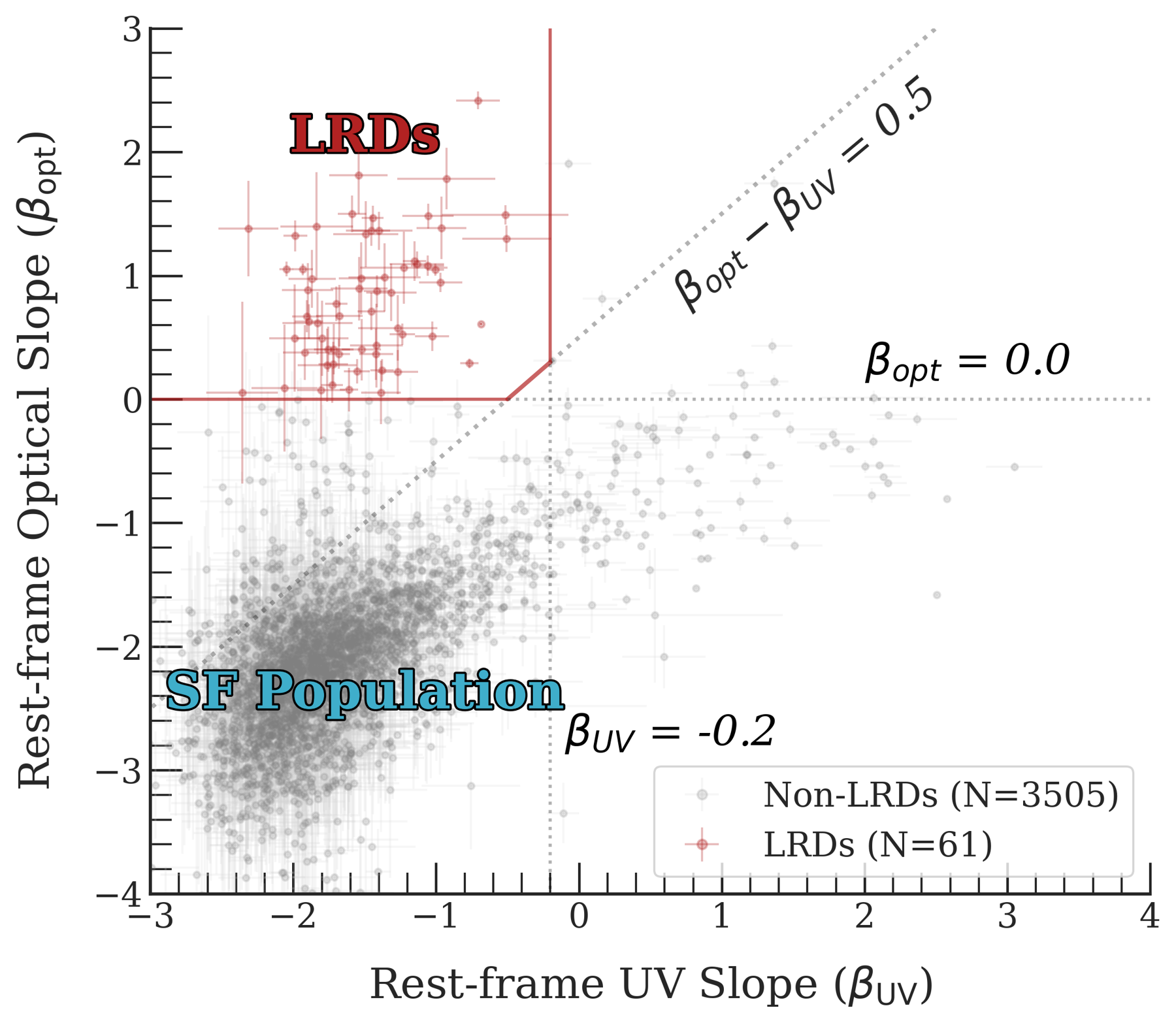
In 3,566 JWST/NIRSpec galaxies at z=3.0–8.1, UV–optical continuum slopes reveal a continuously populated path from star-forming galaxies to LRDs. The authors interpret it as changing host/BH* continuum contributions, while stressing model-dependent mass-ratio limits.

2026-09-03 · 2609.01711v1 · Research note

JWST Reveals a Candidate Supermassive Black Hole Binary at z=4.3 in the Brightest Sub-millimeter Galaxy in COSMOS-Web

Jed McKinney, Ansh Gupta, Julian B. Munoz, et al.

JWST spectra of the single dusty galaxy AzTEC-1 at z=4.3419 reveal a broad Hα component blueshifted by 1245 km s⁻¹. The authors favor a candidate sub-pc SMBH binary or recoiling SMBH over an ionized outflow, but confirmation requires resolved follow-up.

Figure 2 from Extreme AGN Variability in WISE: Powerful Flares and Candidate Tidal Disruption Events in AGN

2026-09-02 · 2609.01421v1 · Research note

Extreme AGN Variability in WISE: Powerful Flares and Candidate Tidal Disruption Events in AGN

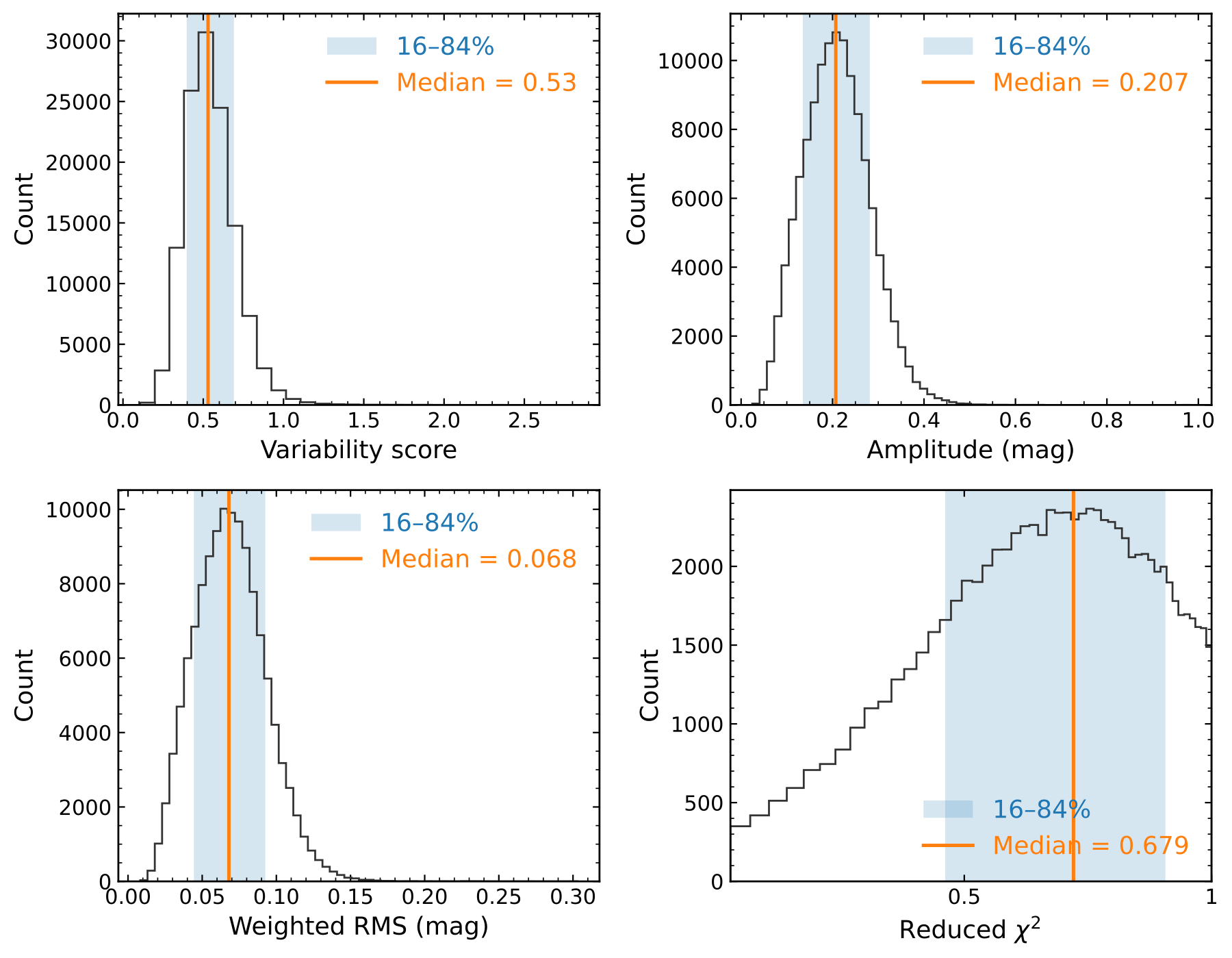
Satya Teja Anuraag Upadhyayula, Daniel Stern, Kishalay De, et al.

A WISE pilot search finds two extreme mid-infrared AGN flares, modeled as dust echoes and interpreted as candidate TDEs. Their high inferred energies and contrasting optical/spectroscopic behavior make them promising, but not definitive, disruptions in active nuclei.

2026-09-02 · 2609.00437v1 · Research note

Formation of Heavy Seed Black Holes and Little Red Dots-like Compact Clusters in Metal-enriched Star-forming Regions

Sunmyon Chon, Shingo Hirano, Ke-Jung Chen, et al.

A radiation-hydrodynamic zoom-in simulation links locally intense LW fields, weakly enriched compact clusters, supermassive stars, and heavy seeds. Five of eight simulated >10^6 M⊙ clusters have intrinsic V-shaped, LRD-like continua, but the proposed observational connection remains model-dependent.

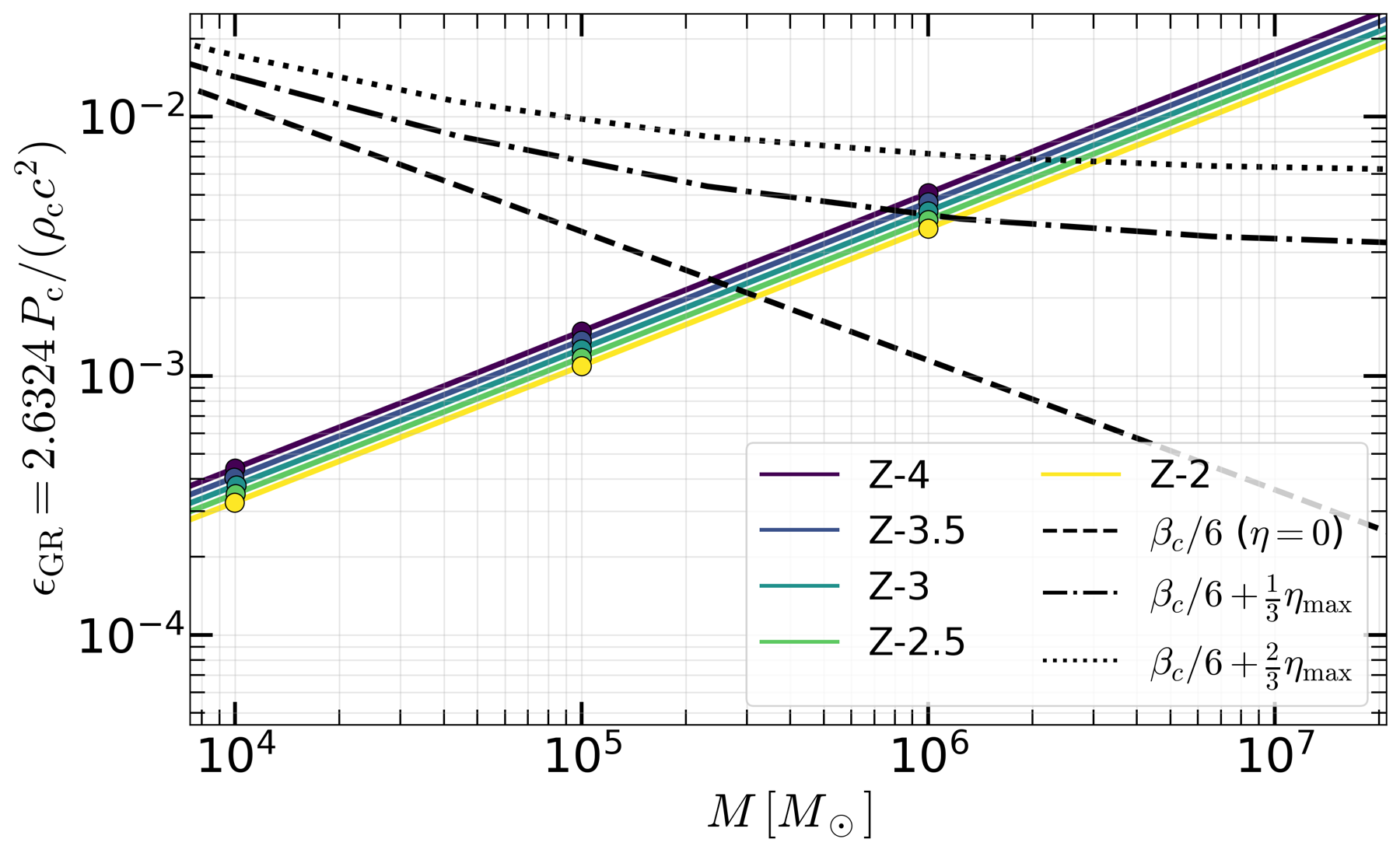
Figure 5 from Early Supermassive Black Holes and Little Red Dots Require Free-Fall Growth

2026-09-02 · 2609.00115v1 · Research note

Early Supermassive Black Holes and Little Red Dots Require Free-Fall Growth

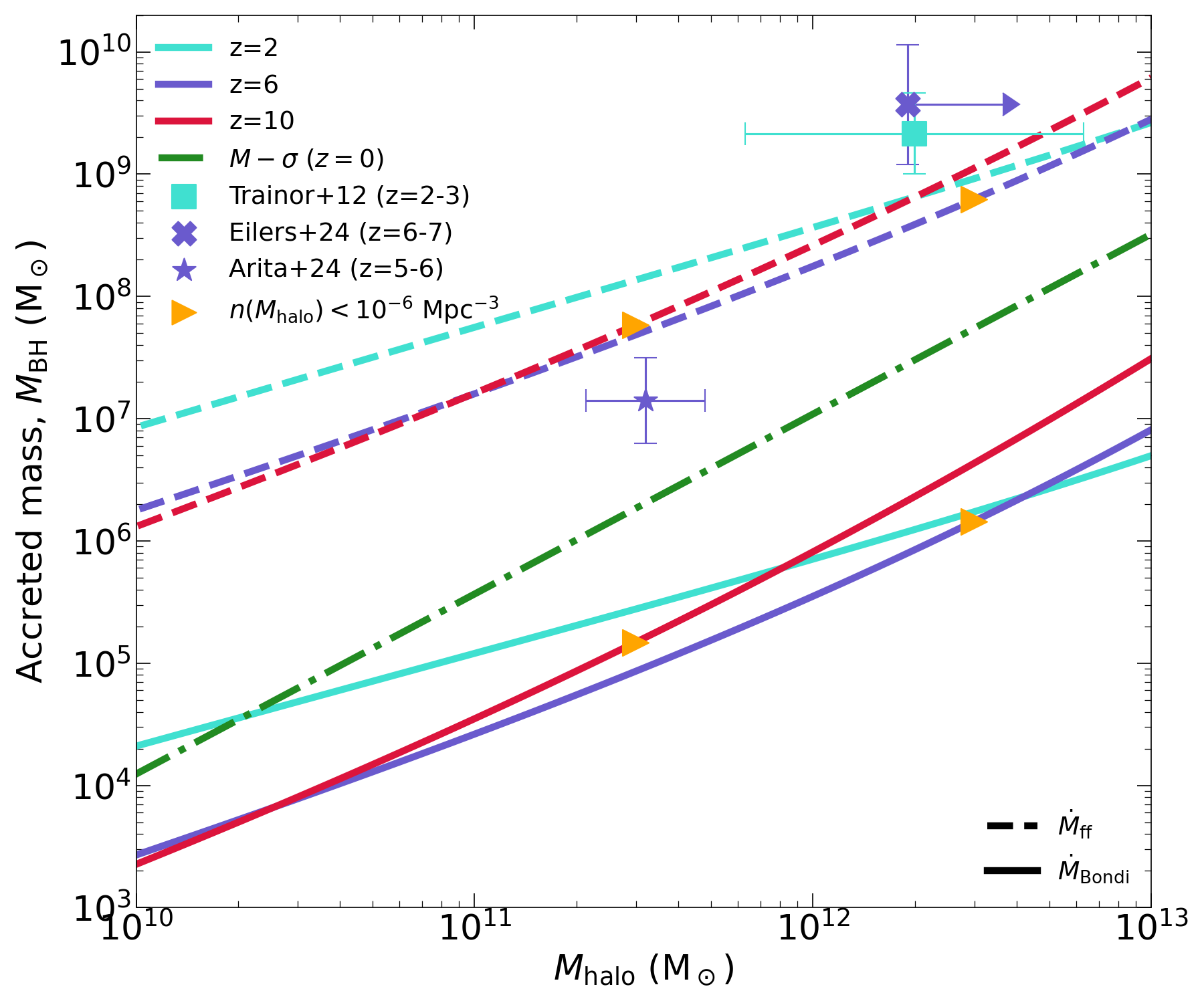
Junehyoung Jeon, Volker Bromm, Michael Boylan-Kolchin, et al.

An analytic halo-inflow model argues that observed early AGN and, conditionally, little red dots (LRDs) require near-free-fall cold gas supply rather than Bondi–Hoyle inflow; it treats this as an upper-limit fuel budget, not a direct measurement of black-hole accretion.

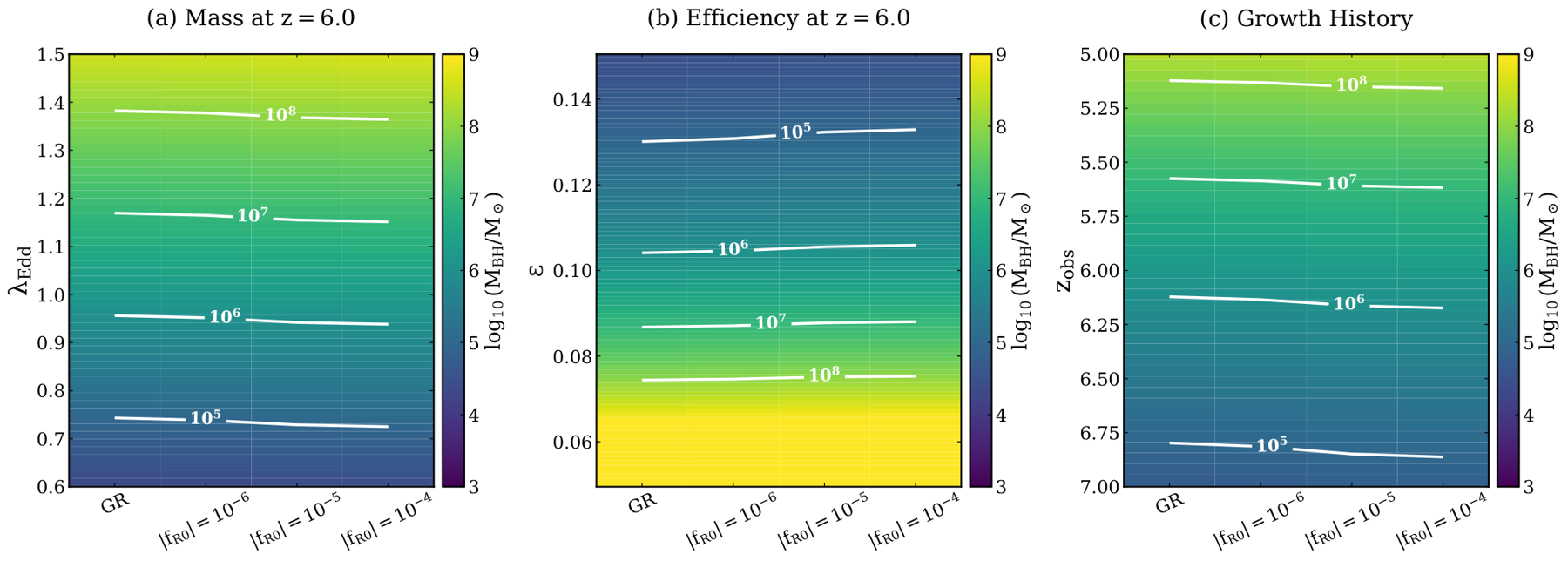
Figure 2 from Weighing Little Red Dots with Transient Events

2026-09-02 · 2609.00113v1 · Research note

Weighing Little Red Dots with Transient Events

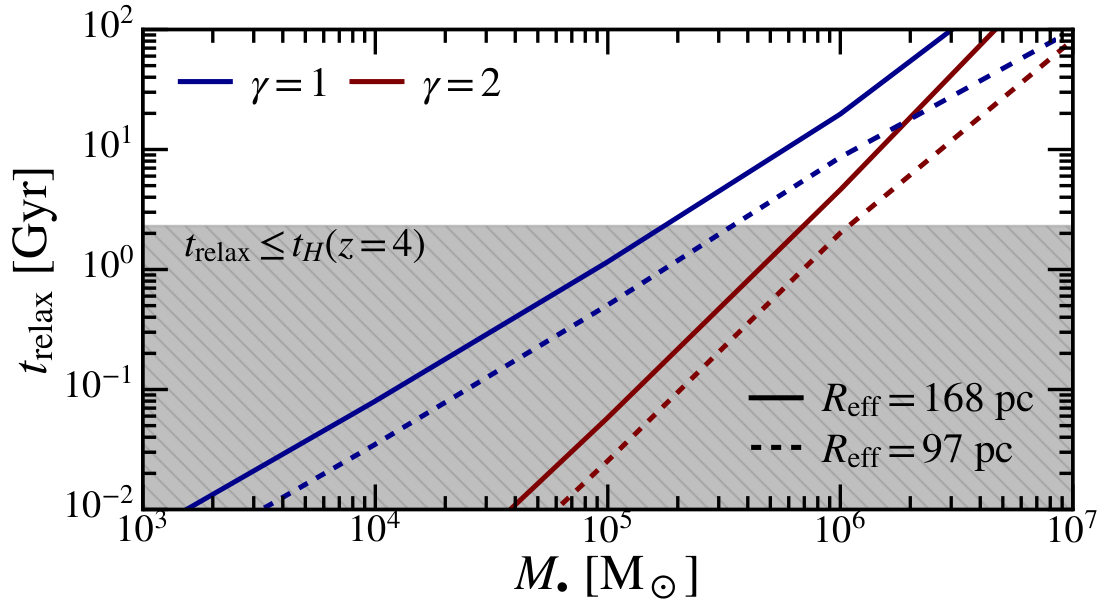
Vinh Tran, Xuejian Shen, Oliver Zier, et al.

This modelling study proposes tidal-disruption and quasi-periodic-eruption event rates as population-level probes of LRD black-hole masses. Its predictions depend strongly on assumed stellar cusps, black-hole–stellar-mass relations, and the possibility that most LRDs are obscured.

Figure 3 from Skyfire: A Spectroscopic Census of Little Red Dots and Broad-Line AGN in the CEERS Field

2026-09-02 · 2609.00112v1 · Research note

Skyfire: A Spectroscopic Census of Little Red Dots and Broad-Line AGN in the CEERS Field

Dale D. Kocevski, Anthony J. Taylor, Masafusa Onoue, et al.

Skyfire’s CEERS NIRSpec census finds broad Balmer emission across redder LRDs and somewhat bluer candidates, motivating an expanded continuum-slope selection. The color trend is suggestive of continuity with blue broad-line sources, but uneven targeting prevents a definitive population-unification claim.

2026-09-02 · 2609.00033v1 · Research note

Lynx2030 Science Analysis Group: Final Report

Lynx2030 Science Analysis Group, Simon R. Bandler, Laura W. Brenneman, et al.

This strategic report argues that Lynx-class subarcsecond, high-throughput X-ray imaging spectroscopy would test why JWST little red dots are X-ray weak, while simulations illustrate broader gains for feedback, accretion, and circumgalactic-gas studies.

2026-09-01 · 2608.30459v1 · Research note

Broad-band host measurements of little red dots and similar compact nuclei require source-conditioned polychromatic PSFs

Sergio Bonaque-González

For unresolved LRD nuclei, stellar broad-band PSFs can create wavelength-dependent residuals that a Sérsic fit misassigns to a host. Source-conditioned polychromatic PSFs sharply reduce false host detections in point-only simulations, but do not yet establish corrected host properties for a defined real-LRD sample.

2026-09-01 · 2608.28745v1 · Research note

Super-Eddington Little Blue Dots May Reionize Helium Too Early

Christopher Cain, Brent Smith, Gibson B. Bowling, et al.

A reionization-budget calculation argues that, if faint z=3–7 Little Blue Dots are common and leak ionizing radiation efficiently, most cannot be highly super-Eddington: their hard EUV spectra would complete He II reionization earlier than allowed.

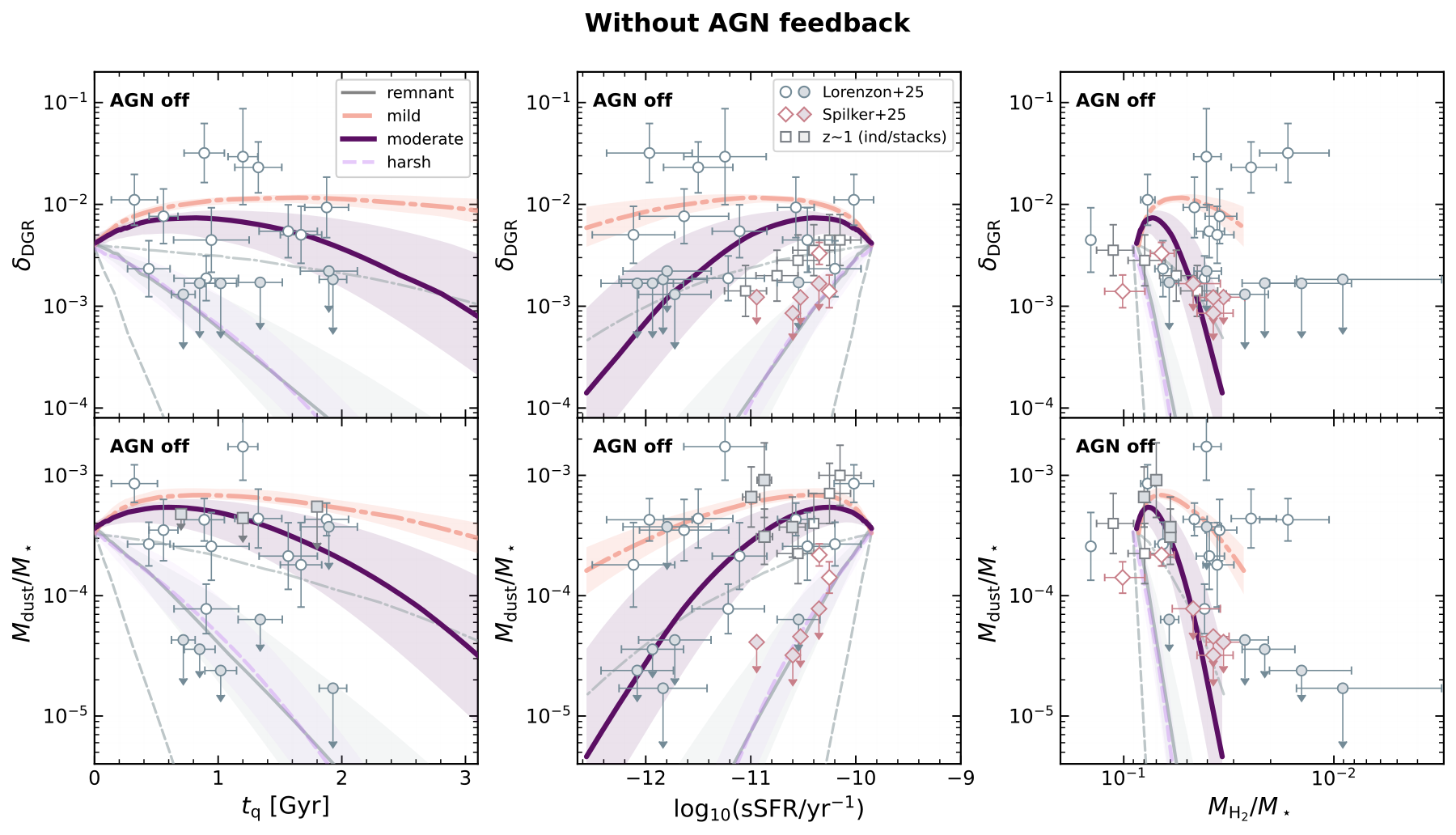
Figure 2 from Dust and PAHs in late-stage galaxy evolution: Imprints of TP-AGB dust injection, grain growth and AGN feedback in high-z quiescent galaxies with JWST and ALMA

2026-08-31 · 2608.27571v1 · Research note

Dust and PAHs in late-stage galaxy evolution: Imprints of TP-AGB dust injection, grain growth and AGN feedback in high-z quiescent galaxies with JWST and ALMA

D. Donevski, A. Nanni, K. E. Whitaker, et al.

A semi-analytic post-quenching model predicts that delayed TP-AGB dust, grain growth, and AGN-regulated gas loss can produce wide dust and PAH diversity in z~1 quiescent galaxies, motivating joint ALMA–JWST constraints rather than any single ISM tracer.

2026-08-27 · 2608.25044v1 · Research note

To be lensed or not to be lensed: on the nature of the alleged high-z lensed quasars J0109-5424 and P170+20

Aurora Mata-Sanchez, Emanuele P. Farina, Anniek J. Gloudemans, et al.

Multi-wavelength follow-up overturns J0109−5424’s proposed high-redshift lens interpretation: Paschen lines place it at z=2.07 as a FeLoBAL quasar. For P170+20, compact imaging and a quasar+M-dwarf spectral fit disfavor, but do not exclude, lensing.

2026-08-26 · 2608.23671v1 · Research note

More Numerous and Bluer: Companions of the Brightest Little Red Dots Differ from Control Galaxies at $>3σ$, Hinting at Synchronized Black Hole Seed Formation

Fabio Pacucci, C. Megan Urry

Among 253 JWST-selected LRDs, only the brightest quartile shows a statistically significant excess of very close blue companions: 18/65 within 0.5–2 kpc. The association supports, but does not establish, synchronized seed formation.

2026-08-25 · 2608.23498v1 · Research note

The Road to Normalcy: Environment-Driven Evolutionary Pathways for Primordial Black Holes

Saiyang Zhang, Junehyoung Jeon, Boyuan Liu, et al.

Cosmological hydrodynamical simulations suggest PBH-seeded hosts can briefly be compact and BH dominated, then become more conventional galaxy–AGN systems when overdense environments accelerate stellar assembly. The result is pathway-dependent rather than a unique prediction for Little Red Dots.

Figure 4 from Beyond orientation: Evidence for distinct physical regimes among Little Red Dots and Little Blue Dots

2026-08-25 · 2608.21522v1 · Research note

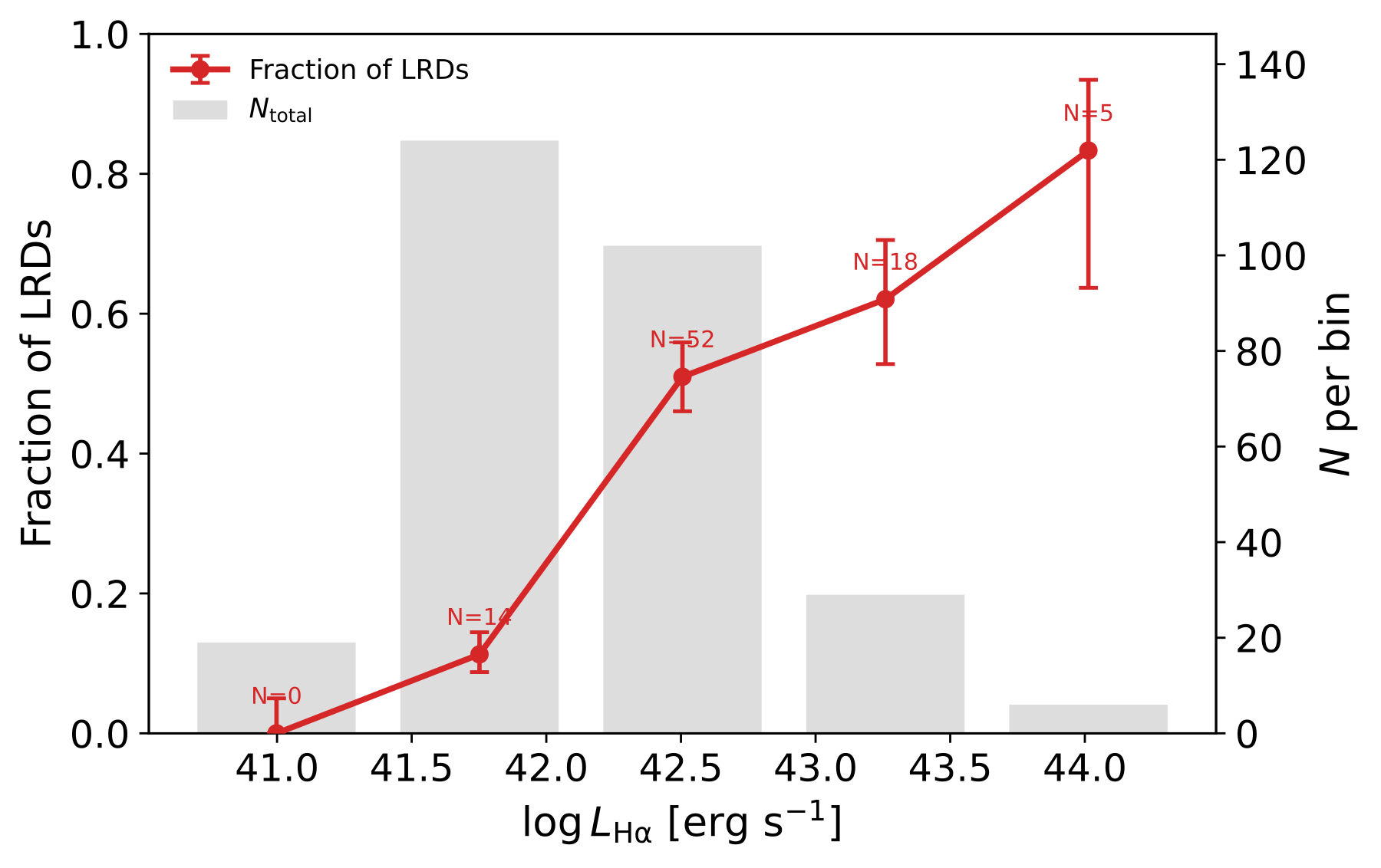
Beyond orientation: Evidence for distinct physical regimes among Little Red Dots and Little Blue Dots

L. Barrufet, J. S. Dunlop, M. L. Hamadouche, et al.

In 89 LRDs and 191 LBDs, LRDs have more luminous and broader Hα, larger Balmer decrements, and lower [O III]/Hβ. The authors argue these population-level differences strain luminosity-independent orientation alone, while not uniquely establishing a gas-cocoon mechanism.

2026-08-24 · 2608.21280v1 · Research note

The [Ne V] AGN Diagnostic in SDSS-IV/eBOSS: An Anticorrelation Between Ionization State and AGN Luminosity in Low-Redshift Coronal-Line Galaxies

Owen S. Matthews Acuña, Christy A. Tremonti, Nikko J. Cleri, et al.

In SDSS-IV/eBOSS, [Ne V] produces a large, high-purity but incomplete AGN sample: detection favors less-obscured, higher-Eddington-ratio nuclei. Stacking indicates many individual non-detections are sensitivity-limited, while [Ne V]/[O III] declines with AGN luminosity.